By Ustarminer Engineering Team
Compare the price of the usable system delivered to your door: miner, cooling, matched power adapter, required AC connection and setup access. A board price is only one row. Add shipping, taxes and any missing required component before choosing between offers.
A bill of materials gives you a practical order checklist. Record what is included, what is optional and what remains unresolved, then check the arriving package against the same list.
Contents

Which exact miner and package are you buying?
Record the SKU, hardware revision, input generation and selected checkout option. The Gamma 601 listing distinguishes current 12V and legacy 5V hardware despite the continuing family name. Select the power arrangement for the actual unit.
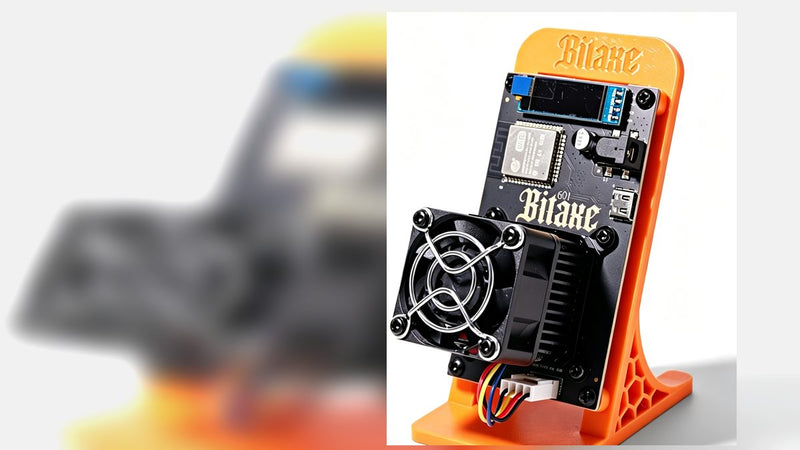
Check the written package contents and assembly state. A photo may show an accessory that is optional, and “kit” may still leave an owner assembly task. Decide whether the comparison concerns a ready-to-configure system or a component project.
Ustarminer and legacy Starminer packaging may both appear. Price and identify the actual board, cooler and original matched adapter; a different printed logo does not establish another electrical revision.
What should your kit-cost checklist include?
Use one row per functional requirement:
| Requirement | What to identify | Cost status |
|---|---|---|
| Miner | Exact revision and supported profile | Quoted |
| Cooling | Delivered air cooler and required fan | Included, optional or missing |
| DC power | Correct voltage, polarity, connector and cable | Included or separately quoted |
| AC connection | Regional lead/plug and supply input requirements | Confirmed for destination |
| Mounting | Supplied support or documented assembly needs | Confirmed or unresolved |
| Setup access | Supported phone/browser/network requirements | Already available or additional |
| Delivery | Shipping, taxes and import charges | Actual checkout or explicit estimate |
Add a supplier and confirmation date for each quoted component. If a substitution is proposed before shipping, revisit compatibility and price rather than accepting it as equivalent because the total is unchanged. This matters especially for adapters and cooling assemblies whose visible appearance can conceal different requirements.
An unresolved row should remain visible. Assigning zero to an unknown adapter price makes the total look complete while hiding a purchase requirement.
The official Smart Edition setup guide describes one package and an App-based setup route. Use it as evidence for that product context rather than a universal packing list for all miners. Setup guide
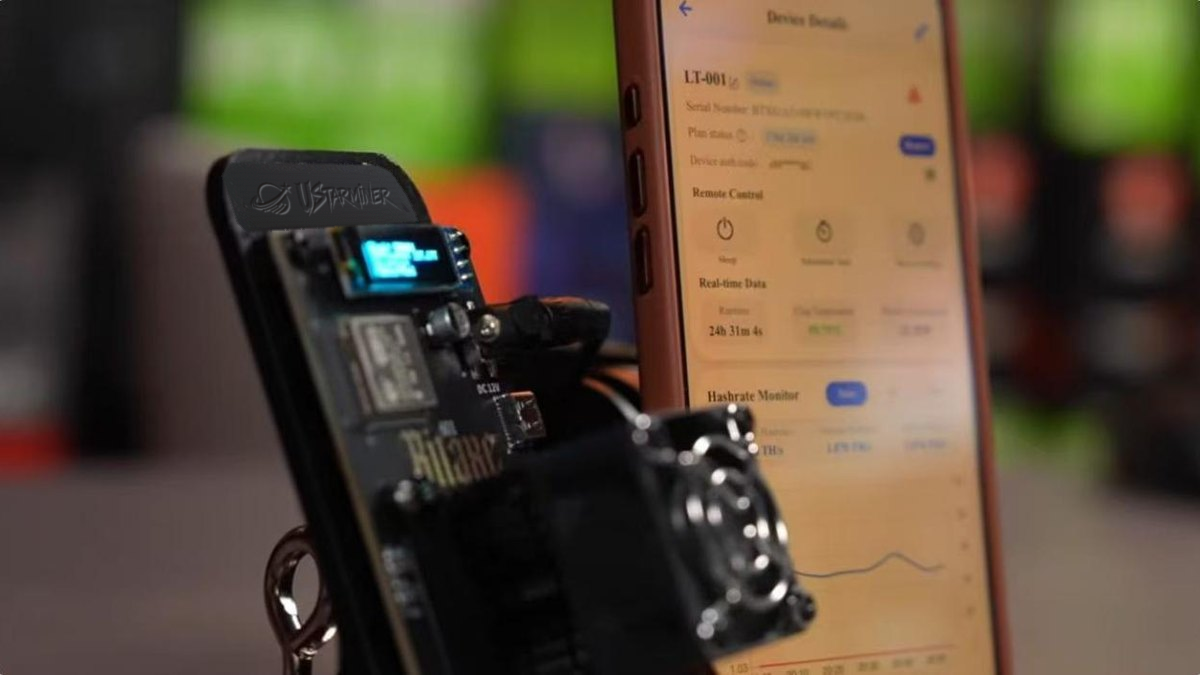
Current air-cooled Gamma 601/602 kits include the ASIC/control board, heatsink, dedicated fan, matched original adapter and desktop stand. The owner supplies a Wi-Fi network and a phone/computer. The 601 adapter is 12V/3A (36W rated), and the 602 adapter is 12V/4A (48W rated). Each miner requires its own original adapter; shared supplies, DC splitters, extension leads and adapter tips are prohibited. Confirm regional AC leads, plugs and any special order options in the selected quotation.
How can missing parts reverse the cheaper offer?
A bare legacy board and a complete current kit may not provide the same input generation, cooling assembly or support path. Normalize the intended usable outcome before comparing totals. Otherwise, an apparent saving may simply represent less equipment or more work for the buyer.
For a hypothetical offer, a USD 100 board needs a USD 25 compatible cooler, USD 20 adapter and USD 15 combined delivery. Total is USD 160 before tax. A USD 150 complete kit would be cheaper under those assumed contents and charges.
Now assume the USD 150 kit excludes a required USD 20 regional power component while the board bundle includes it. Its usable total becomes USD 170, reversing the result. Neither example quotes real product prices; they show why the inclusion boundary determines the comparison.
When does an included component count as usable?
A component marked “included” closes a cost row only if it is also the correct component. An included 12V adapter is not usable on a legacy 5V board, regardless of its nominal value. Record compatibility first, then price; otherwise a low total can conceal equipment that must be replaced before the system can operate.
How should you add electricity and recurring costs?
Hardware totals are only one part of ownership. For an assumed measured 75W complete AC load, continuous 30-day energy is 0.075 × 24 × 30 = 54 kWh. At an assumed USD 0.20/kWh, that is USD 10.80.
Keep that operating amount separate from the delivered hardware price. It allows you to change the schedule or tariff without rewriting the bill of materials. Do not use an adapter's maximum rating as the operating-load assumption.
Any separately purchased service belongs in a recurring-cost column with its price and billing period. Include only what is chosen for the intended use, so a hardware quotation is not inflated by assumptions about service plans.
Why does a fitting part still need compatibility checks?
An included component closes a cost row only when it belongs in the system. A barrel plug can fit with the wrong voltage or polarity. Likewise, a fan can fit its mounting holes while having an unsuitable pinout or startup load.
For current Gamma kits, retain the original supply arrangement. A generic replacement is not an equivalent cost item simply because its output rating looks large enough. Get any proposed substitution confirmed for the actual hardware before accepting it.
If a component build uses several suppliers, add each shipping charge and identify who supports the combined arrangement. The price sheet should expose both the usable total and the remaining integration work.
Which support questions should affect the purchase?
Ask whether the seller provides documentation and approved replacement parts for the exact assembly. Keep the written purchase, return and support terms with the quote.
For a multi-seller build, identify the support responsibility for each part and for compatibility between them. For a complete kit, ask which owner tasks remain and which route handles an arrival discrepancy.
You can set aside a contingency without assuming a fan will fail on a particular date. Support clarity may justify paying more for one offer; describe that ownership preference without turning it into an unmeasured reliability claim.
How do you check that the delivered kit matches?
Keep the order confirmation and packing description privately. On arrival, identify the miner and supply labels before connecting them. Resolve discrepancies in voltage generation or required cooling before power-on.
Photograph missing or damaged components for the official support channel. Keep activation codes out of public unboxing images. A complete arrival check prevents an improvised substitute from becoming the first operating configuration.
Frequently asked questions
Does “complete kit” always include the same accessories?
No. Contents can vary by SKU, region or option. Obtain the exact packing list for the offer you select.
Should optional subscriptions be added as unavoidable costs?
Only when the selected use requires them and the terms apply. Record only the services you choose and the price that actually applies.
Is the lowest delivered price always the best purchase?
Price is one factor. Confirm compatibility, supported setup, service responsibilities and the work you are willing to perform.